Understanding Sheep Breeds: Which Is Right for Your Flock?
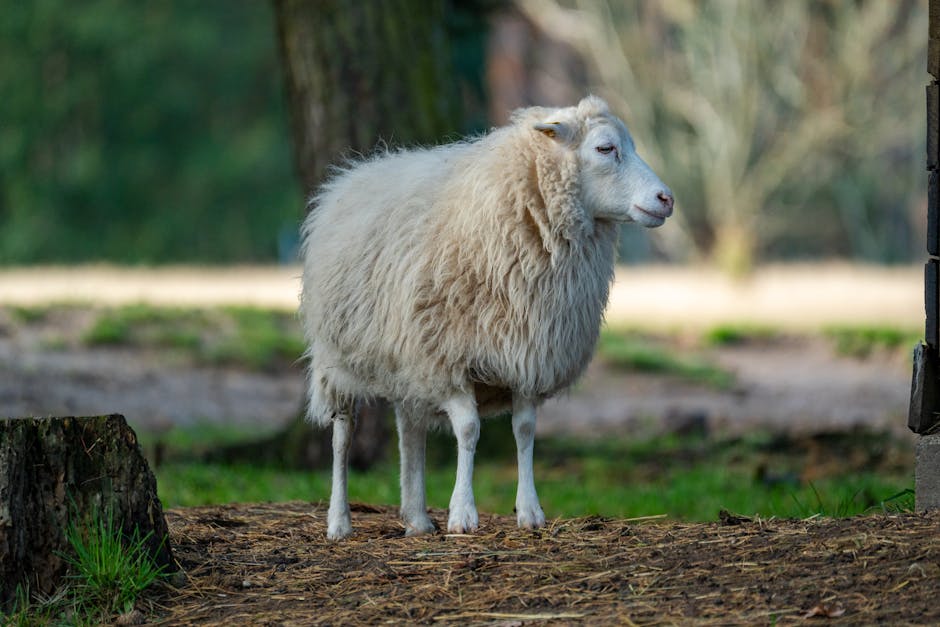
Selecting sheep breeds is one of your most important decisions. Different breeds excel in different environments and for different purposes. Understanding these distinctions helps you build a productive, healthy flock.
Hardy hill breeds dominate Scottish farming for good reason. Scottish Blackface sheep are exceptionally hardy, thriving on poor grazing and harsh weather. They're tough, independent, and require minimal intervention. Their meat is flavourful, and their wool has traditional uses. However, they're slower to finish for meat production than modern terminal sires.
Cheviot sheep represent another traditional option, known for hardiness and good mothering instincts. They perform well on moorland and rough grazing, producing decent meat and wool. They're slightly less hardy than Blackface but often produce better-quality lambs.
Lowland and terminal sire breeds serve different purposes. Suffolk, Texel, and Charolais sheep are fast-growing meat producers, ideal for crossing with hill breed ewes. These breeds don't thrive on poor grazing but produce premium lamb when managed intensively. They're popular choices for improving flock genetics.
Wool breeds deserve consideration if you're interested in fibre production. Romney sheep excel in wetter conditions and produce strong fleece. Merino sheep, though traditionally Australian, now thrive in UK systems and produce fine wool commanding premium prices.
Dairy breeds exist too, though less common in the UK. East Friesian and Lacaune sheep produce substantial milk, attractive if you're considering cheese production or value-added products.
Crossbreeding strategies dominate commercial UK farming. Most farmers maintain hill breed ewes, crossing them with terminal sire males to produce faster-growing lambs. This maximises efficiency—hardy mothers survive on rough grazing whilst lambs reach market weight quickly.
Consider your specific situation when choosing. Upland moorland demands hardy hill breeds that handle poor grazing and exposure. Improved lowland pasture supports more intensive breeds. Your market also matters: premium meat markets reward specific breeds, whilst conservation grazing has different requirements.
Visit local farms and farmers' markets to see different breeds in action. Talk to breeders about their experiences. Many sheep farmers are generous with advice and can connect you with breeding stock from reputable sources. Remember that breed characteristics interact with your management approach—the best breed is one you can manage well in your specific circumstances.